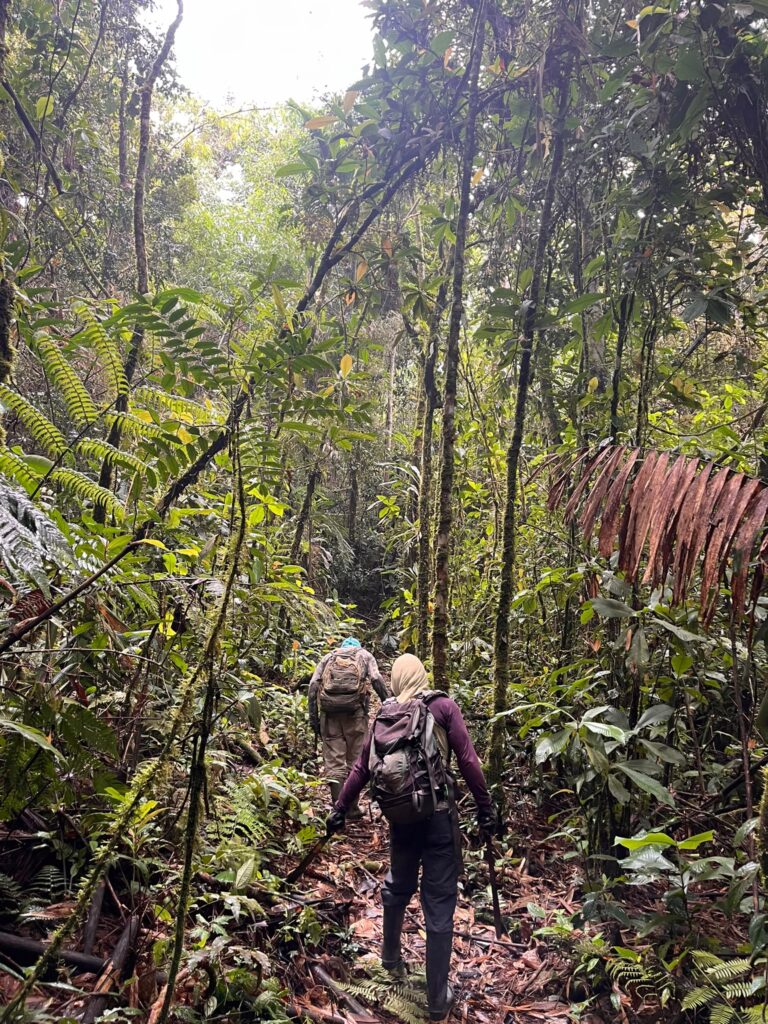
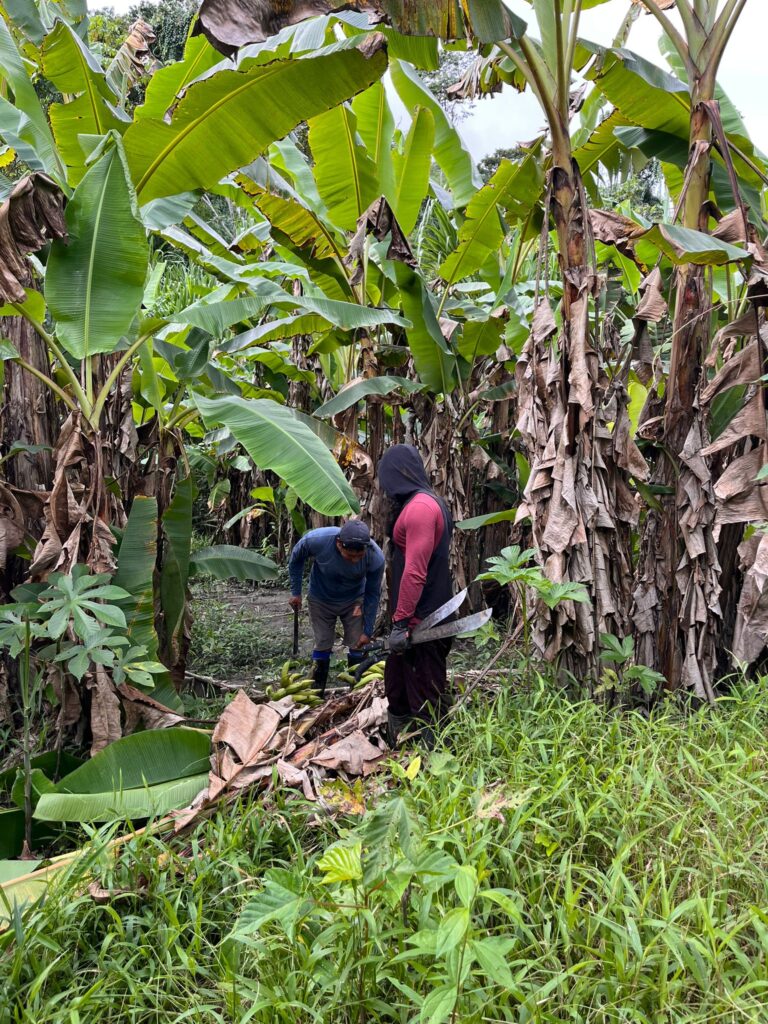
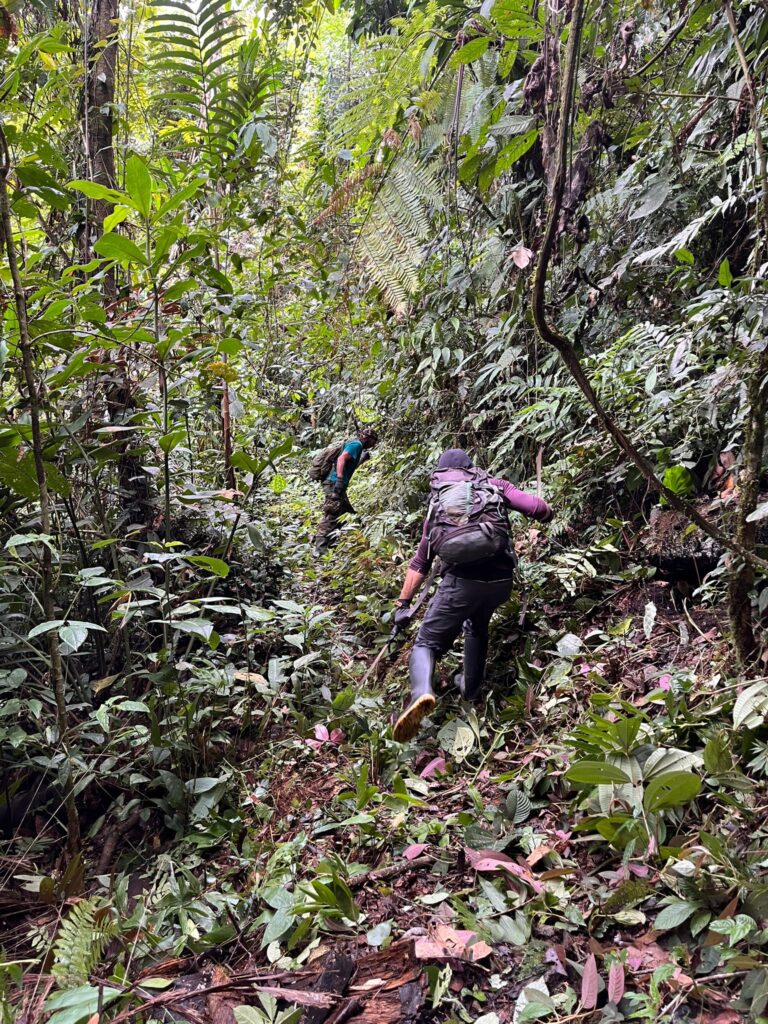
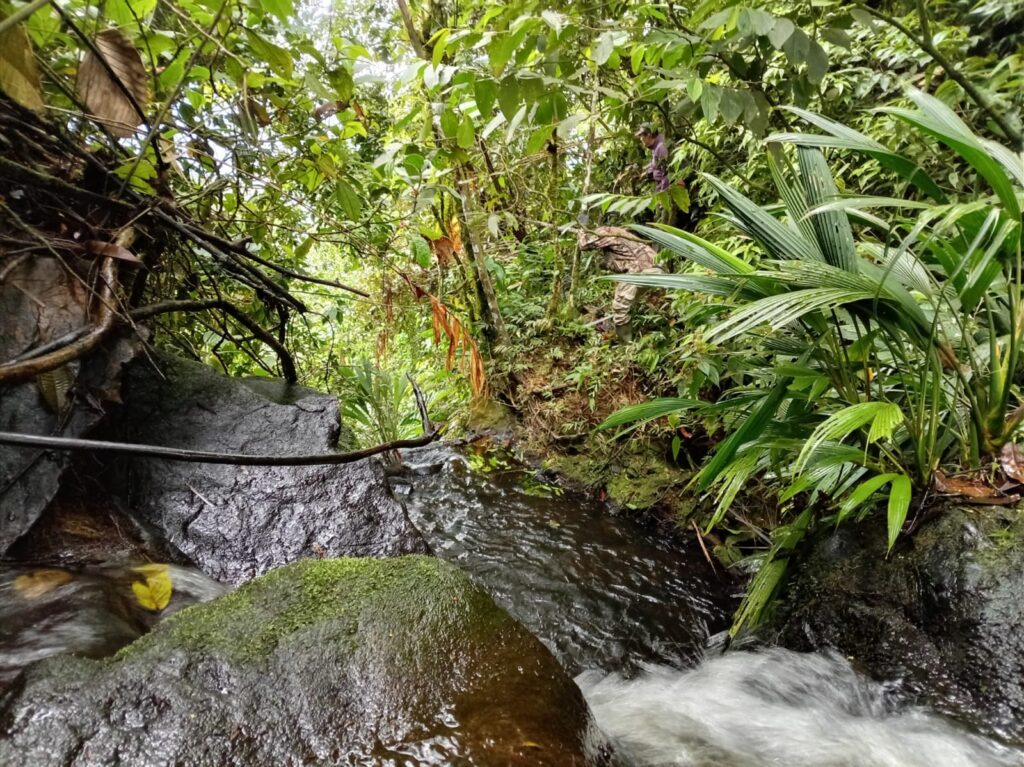
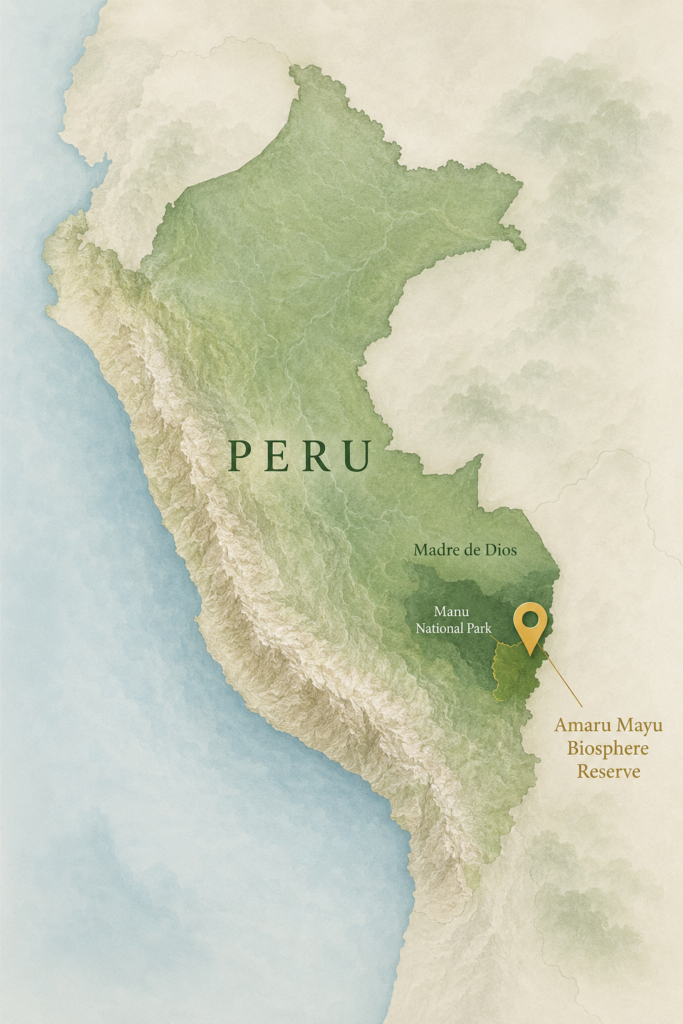
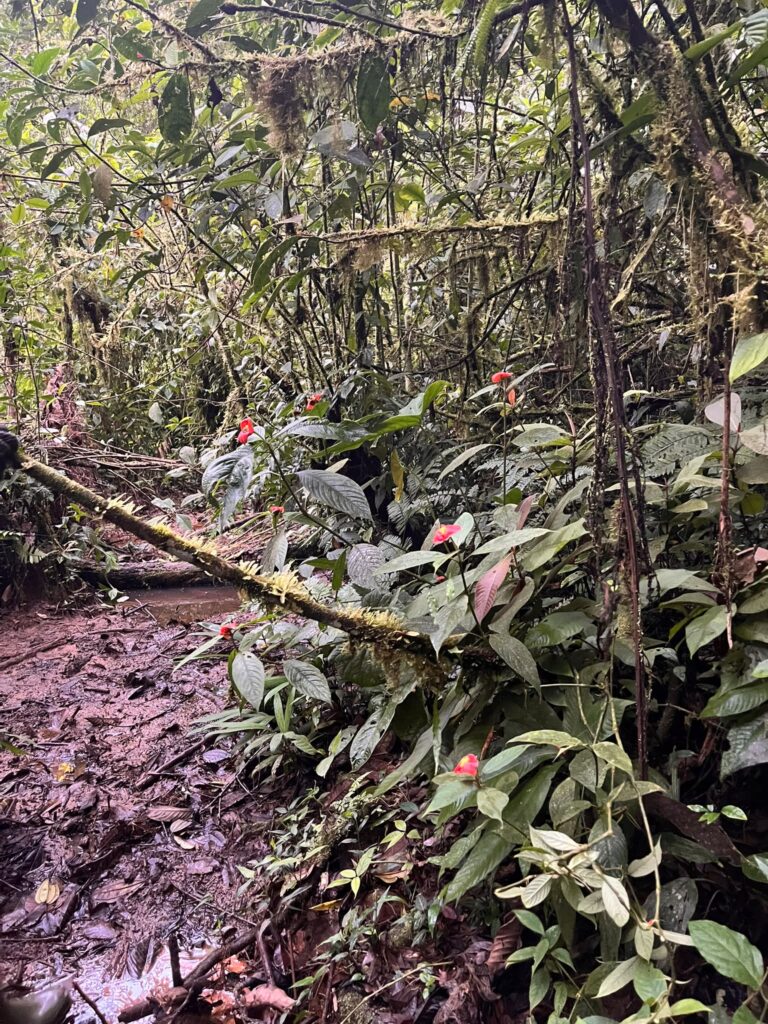
The Amaru Mayu Biosphere Reserve is a 1,000-hectare protected rainforest reserve located in the Madre de Dios region of Peru, adjacent to Manu National Park—one of the most biodiverse places on Earth and home to Indigenous peoples, including communities living in voluntary isolation.
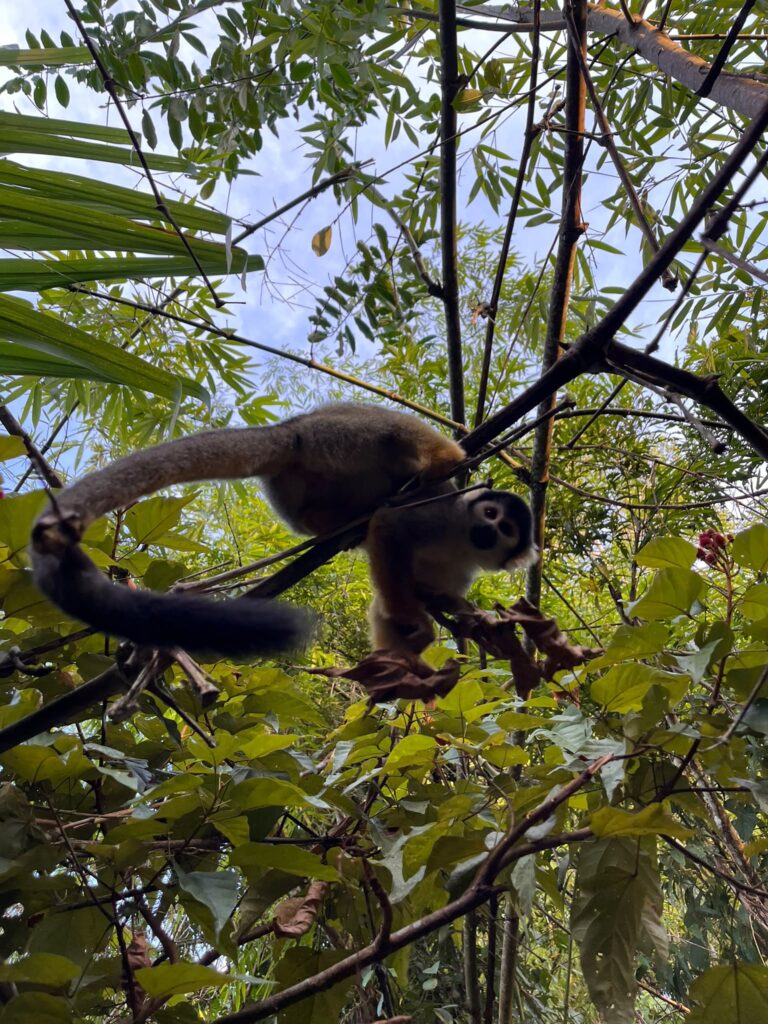
Protected for more than 30 years, the reserve forms part of an important wildlife corridor, allowing countless plant and animal species to move through one of the world’s most valuable tropical ecosystems.
Beyond its ecological significance, Amaru Mayu carries a profound history shaped by the people who have protected, cared for, and formed relationships with this living landscape. Scientific descriptions can help us understand the importance of such a place—but they cannot fully express what it means to encounter, protect, and dedicate one’s life to it.
In the Words of Its Guardian
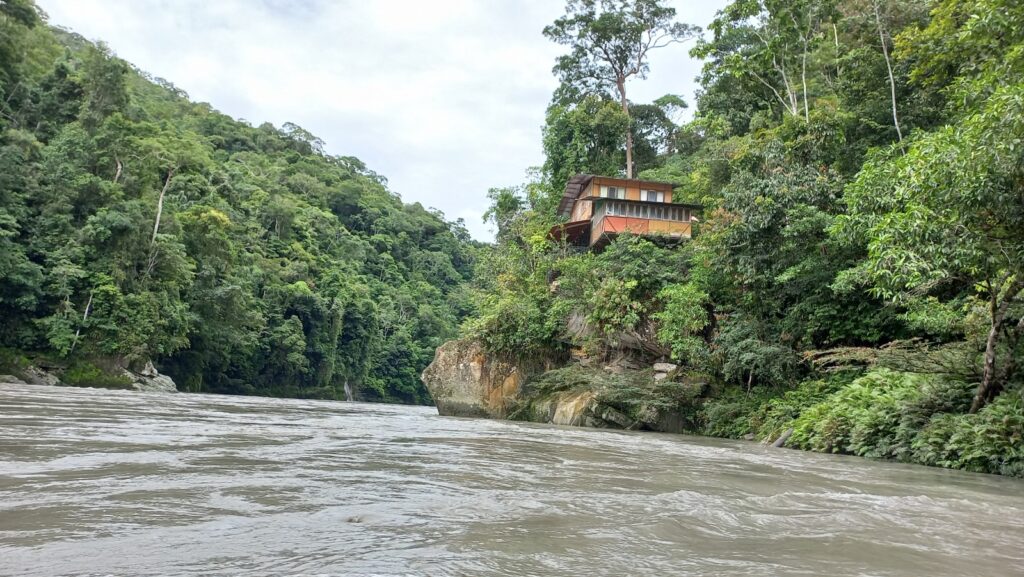
“Amaru Mayu is not merely a reserve, but a living temple of biodiversity, mythology, and rich history—an environmental oasis pulsing at the heart of the planet.
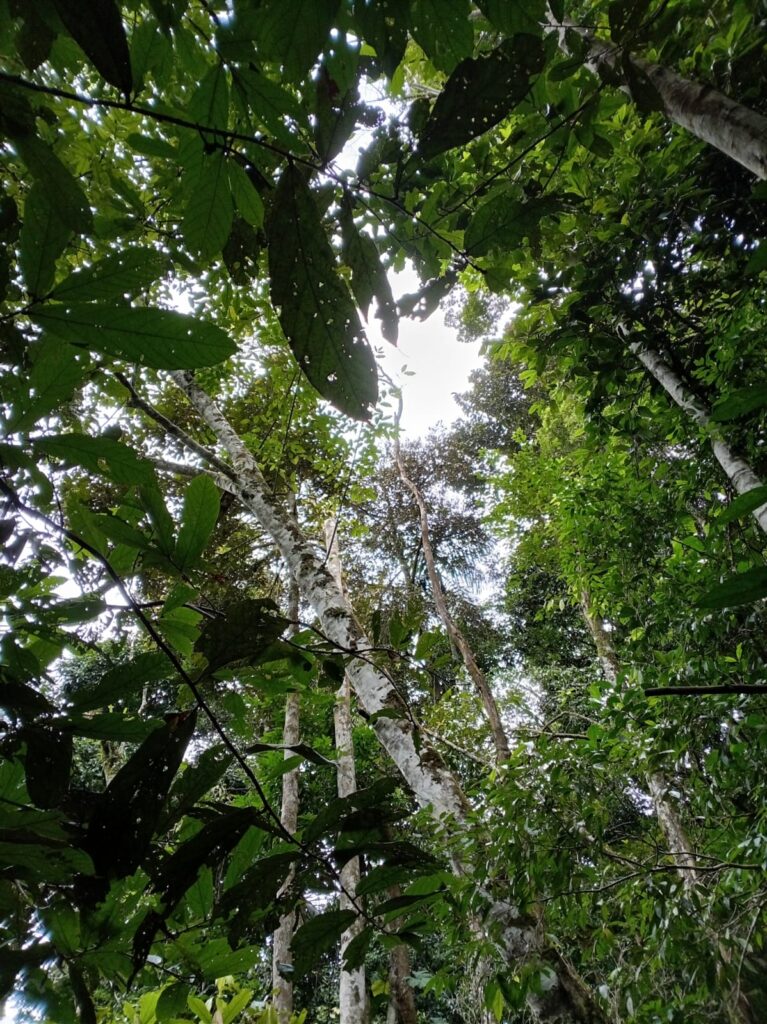
Here, the emergent and canopy layers are not merely ecological strata; they are the spires of a green cathedral, allowing the wildlife of the forest to move freely through a vast refuge.
Those who have walked this path of protection, and those who continue to tend its soul, are honored as stewards of the Earth.”
— Joseph, Guardian of the Amaru Mayu Biosphere Reserve
These words remind us that protecting a forest is about more than conserving land. It means preserving an intricate web of relationships: between plants and animals, water and soil, memory and mythology, local communities and future generations.
Beyond conserving biodiversity, Amaru Mayu contributes to scientific research, environmental education, and the long-term protection of the Amazon rainforest. Its continued protection also safeguards a living environment whose full ecological and cultural significance cannot be measured solely in hectares or species counts.
Realization of Origin supports initiatives like Amaru Mayu because healthy ecosystems are essential for climate stability, biodiversity, freshwater systems, and the well-being of future generations.
Protecting existing forests is just as important as restoring those that have already been lost. Both require knowledge and practical action—but also commitment, continuity, and people willing to accept responsibility for places whose value extends far beyond their own lifetime.